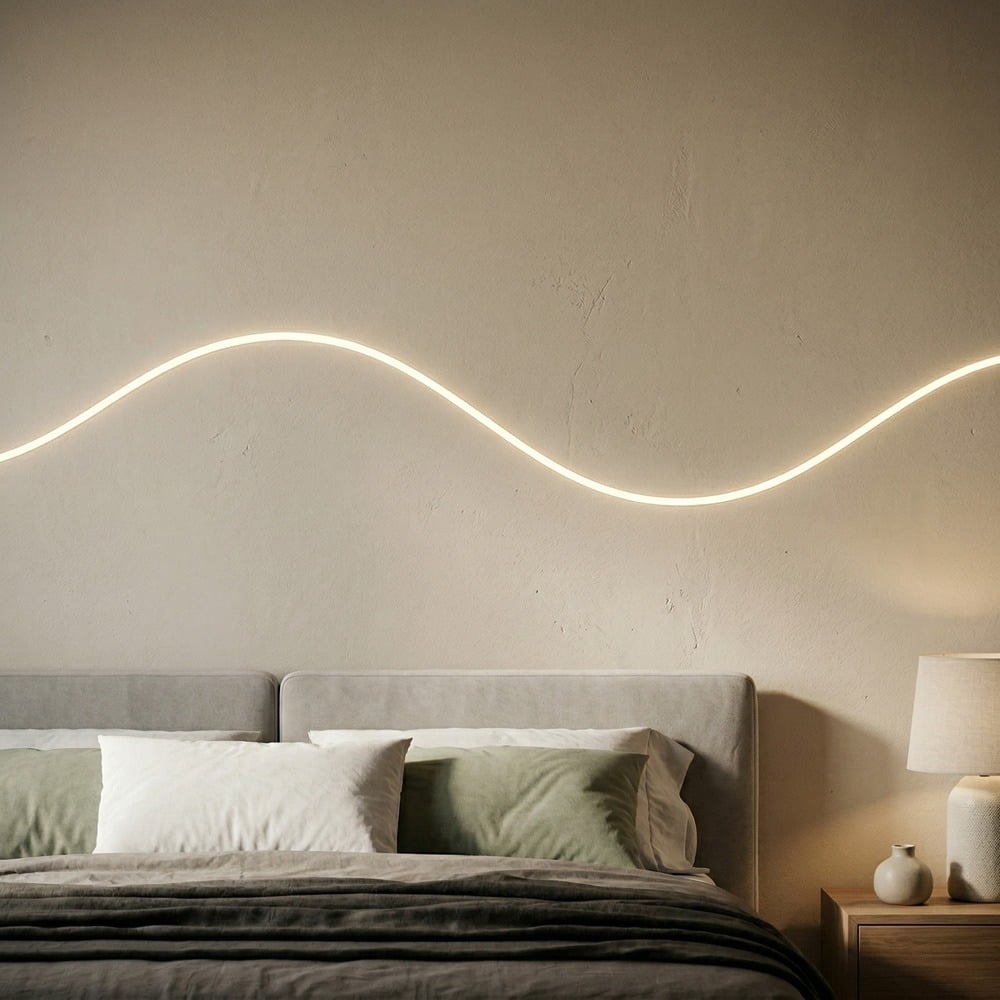
01 / INTEGRATED
Let the Architecture Lead
Recessed profiles blend into walls, ceilings and joinery.
Explore Recessed ProfilesHot Searches
Checkout using your account
Checkout as a new customer
Creating an account has many benefits:
Every great line of light starts with the right profile. Find the aluminium channel, diffuser or specialist system that brings your LED strip installation together.


The Anatomy of an LED Profile Kit
Most aluminium LED profile sets bring three finishing parts together. Check the chosen product listing to confirm exactly what is included.
The structure and mounting surface.
The visible face that softens the light.
The detail that finishes each end.
LED strip, drivers and controls are usually selected separately. Fixings vary by product; heat sinks and silicone diffusers are specialist items.
01 / Think Beyond the Channel
A profile does more than hold LED tape. It decides where light sits, how it is seen and how it becomes part of the room.
01 / INTEGRATED
Recessed profiles blend into walls, ceilings and joinery.
Explore Recessed Profiles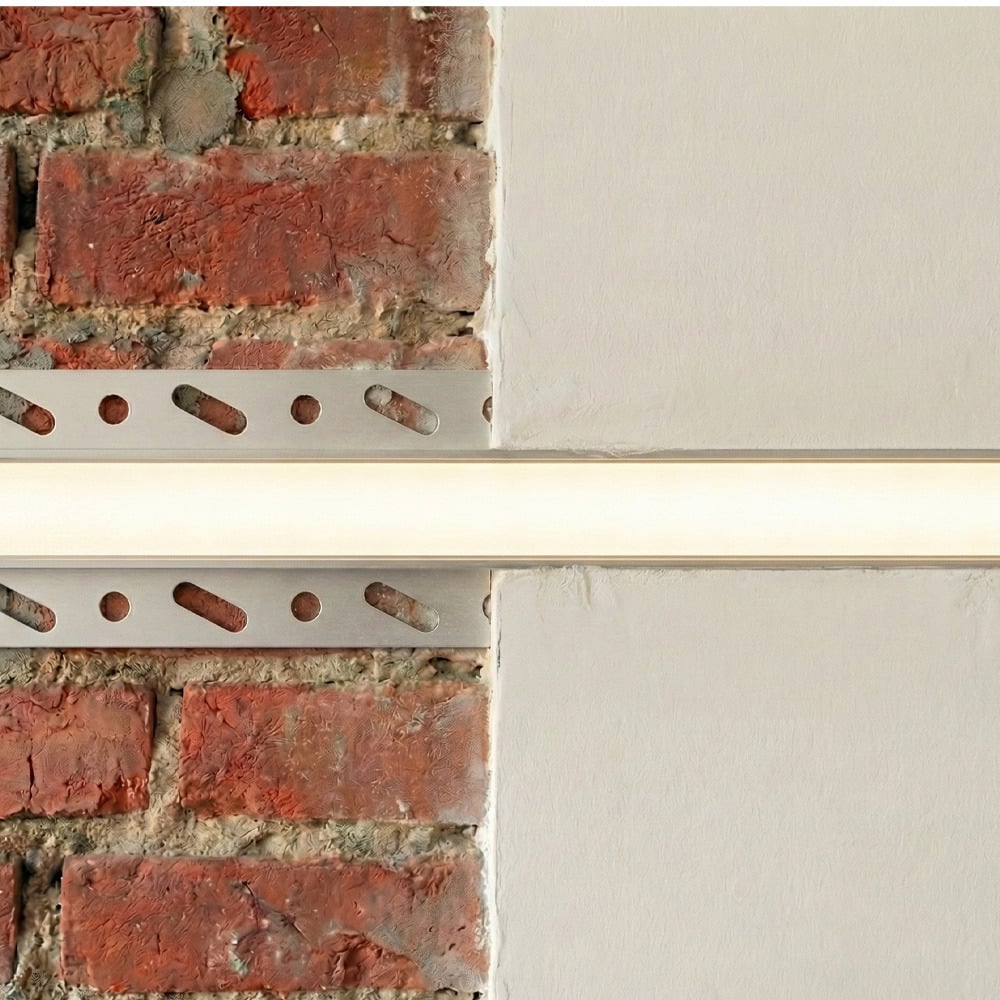
02 / FINISHED DETAIL
A clean light line sits naturally within its surroundings.
Explore Recessed Profiles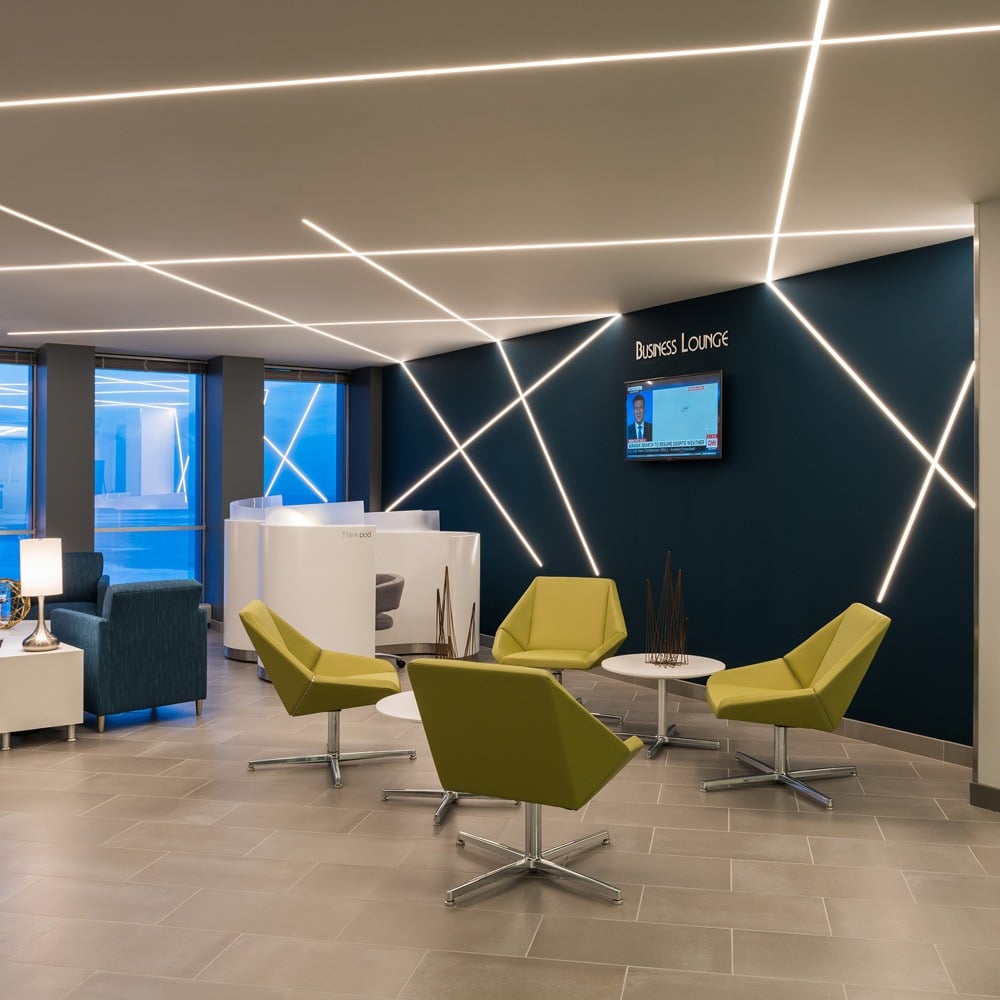
03 / LIGHTING FEATURE
Add a precise edge of light to counters and displays.
Explore Surface Profiles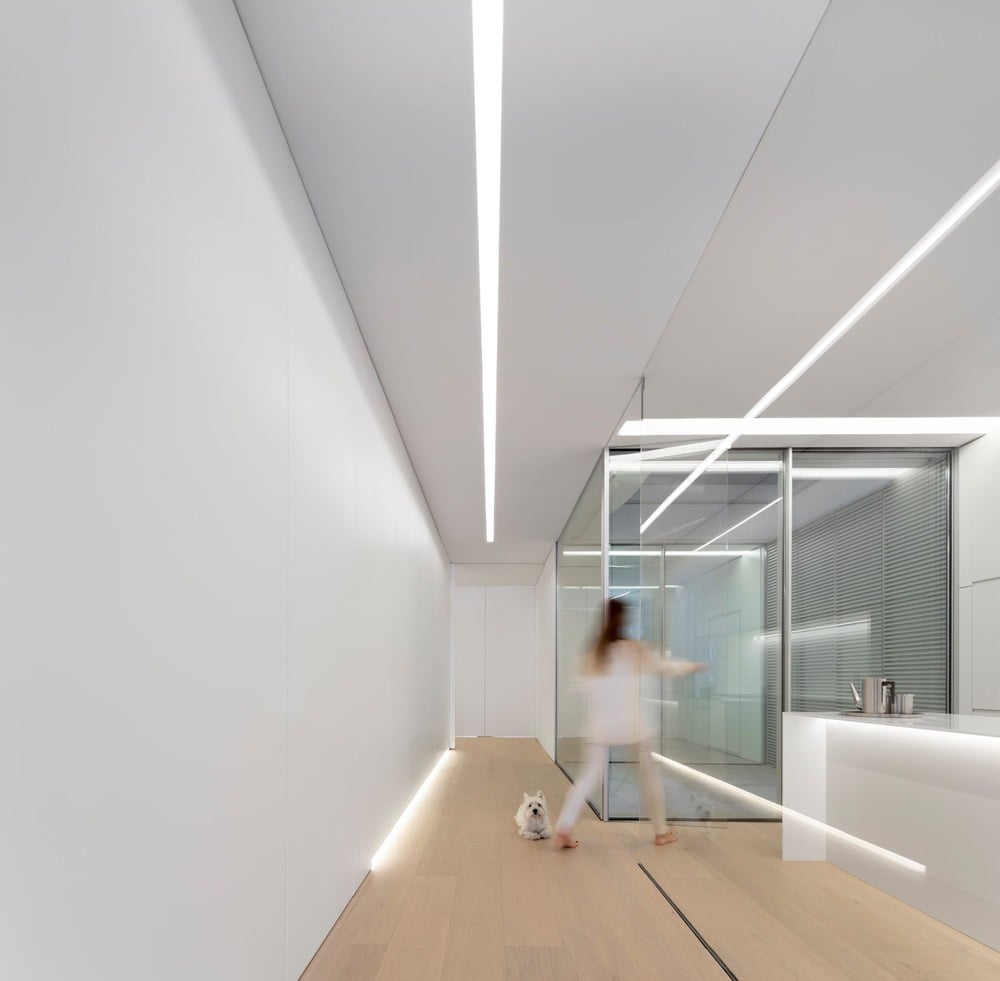
04 / ARCHITECTURAL
Connect surfaces and volumes with considered light.
Explore ModularLite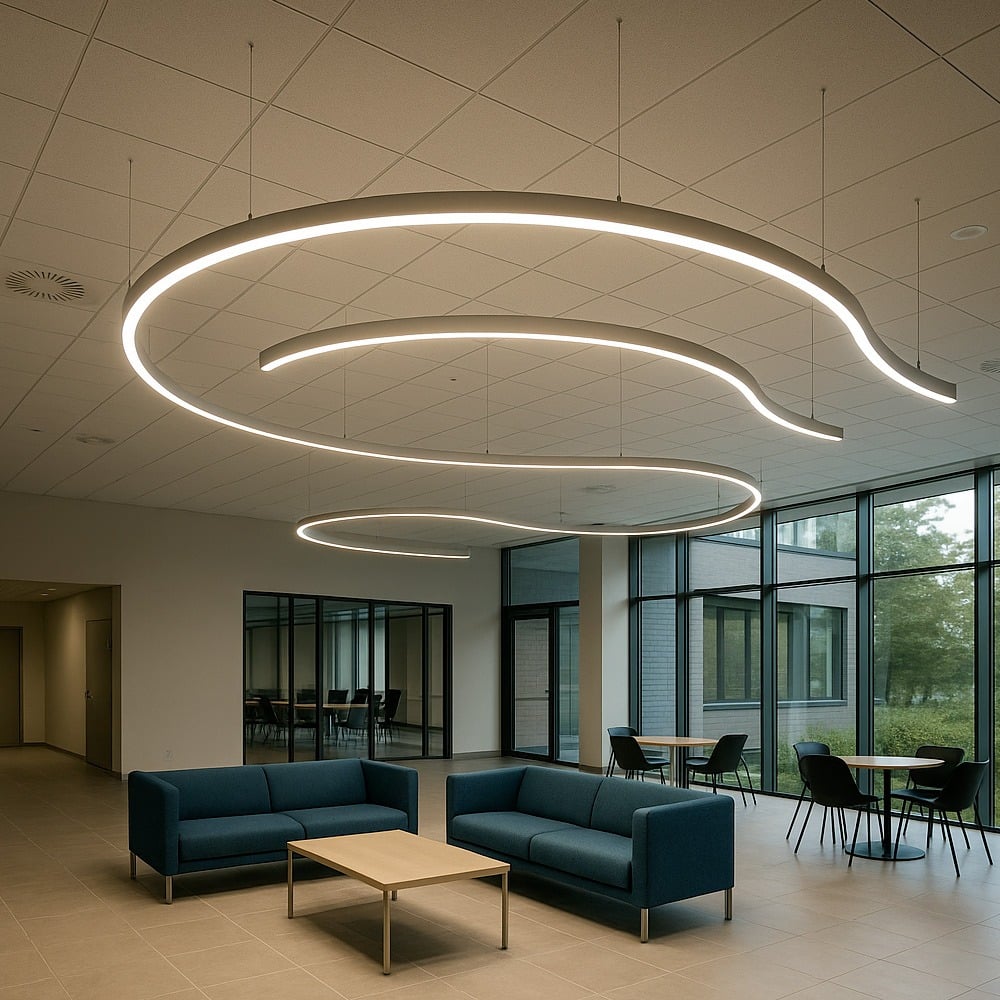
05 / SUSPENDED
Make a feature above a table, counter or workspace.
Explore Suspended Profiles02 / Explore the Collection
Compare aluminium LED channels, flexible diffusers and specialist systems. Choose a mounting style to narrow the collection.
Everyday Surface Mounting
A slim aluminium channel for fitting onto cabinets, shelves and furniture. A practical starting point when you want a discreet finish without routing a recess.
Good For: Cabinets · Shelves · Display Lighting
Explore Flat Profiles
Integrated into the Surface
Designed to sit in a routed channel in furniture, shelving or other suitable surfaces. The profile lip covers the edge of the cut-out for a neat, integrated finish.
Good For: Joinery · Shelves · Flush Lighting
Explore Recessed Profiles
More Depth, Softer Diffusion
Extra space between the LED strip and diffuser helps blend individual points of light. Consider a deeper channel when the illuminated surface will be directly visible.
Good For: Retail Displays · Visible Light Lines
Explore Deep ProfilesA Trimless Architectural Finish
The profile edges are integrated into the plaster finish, leaving a clean line of light. Best considered early, while planning walls, ceilings and the finishing work.
Good For: Ceilings · Trimless Walls · Renovations
Explore Plaster-In Profiles
Directional Corner Lighting
An angled channel sits neatly in an internal corner and directs light outwards, typically at 45°. Useful when a flat profile would illuminate the wrong part of a cabinet.
Good For: Corner Joints · Cabinets · Worktops
Explore Angled Profiles
A Darker Finishing Detail
Black aluminium profiles blend into dark joinery or create a deliberate contrast with a lighter surface. Check both the housing finish and diffuser colour for your intended look.
Good For: Home Cinemas · Kitchens · Bars
Explore Black Profiles
Space for Wider LED Strips
A broader aluminium channel for compatible wide strips or multiple runs of tape. Check the usable internal width and thermal requirements of your chosen combination.
Good For: Primary Lighting · Offices · Wider Strips
Explore Large Profiles
Architectural Wall Lighting
Create clean architectural lines with wall-mounted aluminium profiles, including styles for indirect, upward or downward lighting. Match the profile to the direction of light you need.
Good For: Wall Features · Dado Lighting · Corridors
Explore Wall Profiles
A Rounded Light Feature
A circular profile offers a different visual character from a square extrusion. Explore surface and suspension options for tubular lighting features and display installations.
Good For: Wardrobes · Suspended Features · Displays
Explore Round Profiles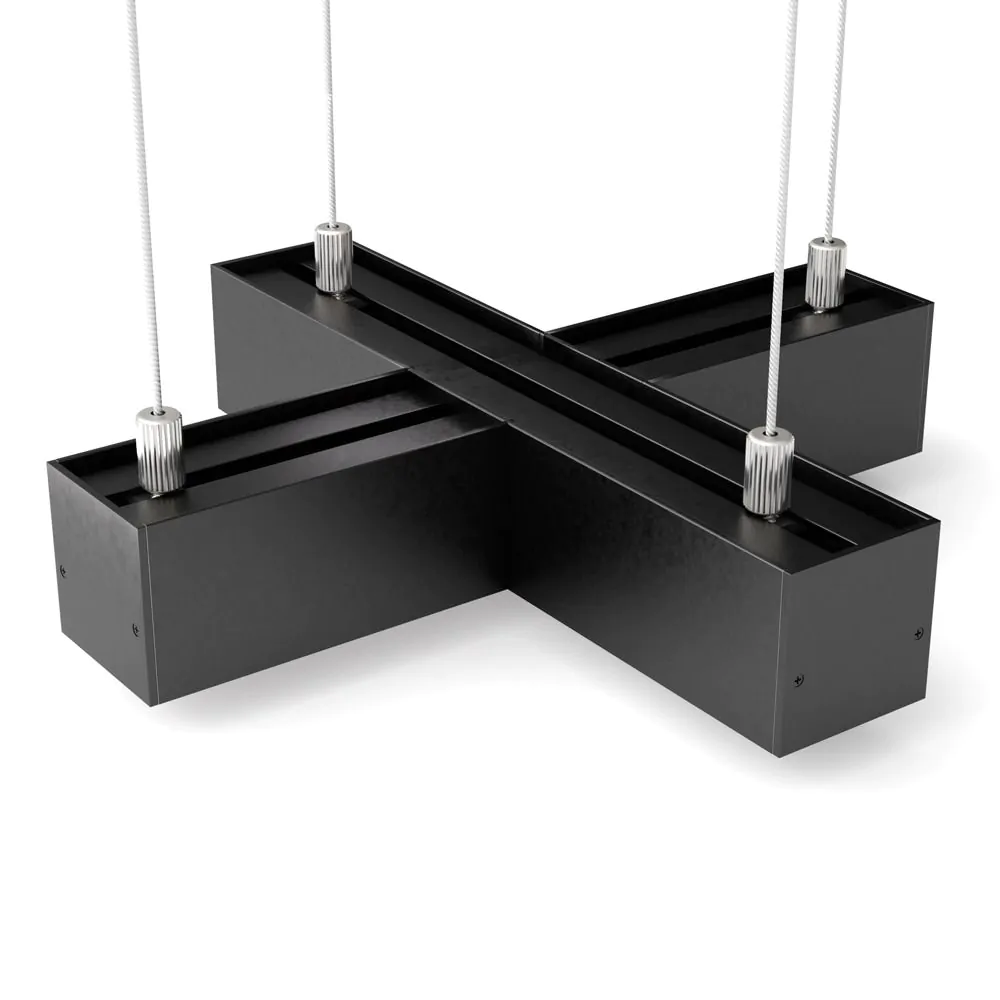
Light Suspended in Space
Create a pendant-style linear fitting above desks, counters or meeting tables. Plan the suspension points, power entry and driver location alongside the lighting layout.
Good For: Offices · Meeting Rooms · Counters
Explore Suspended Profiles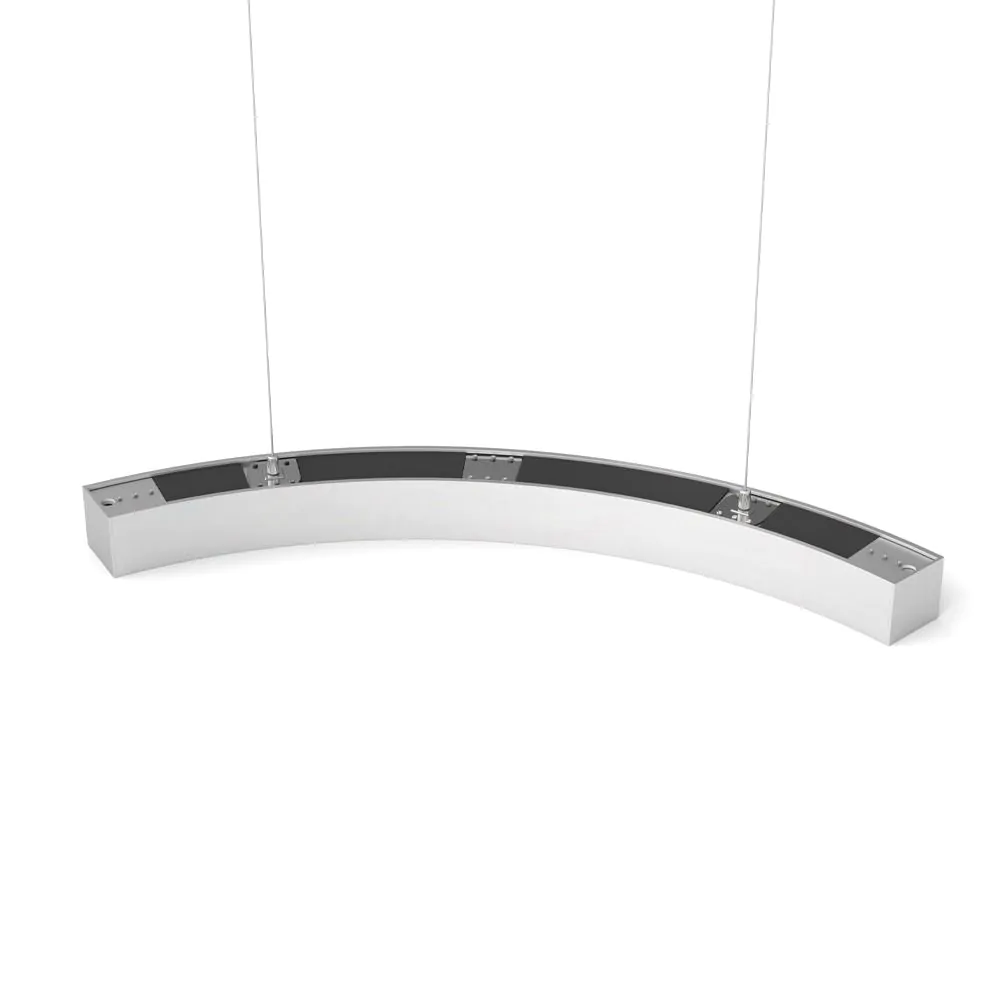
Made for Curved Designs
Bendable aluminium profiles follow flowing walls and organic shapes. Check the specific product’s permitted bend direction, minimum radius and fixing method before planning your curve.
Good For: Curved Walls · Custom Arcs · Features
Explore Bendable Profiles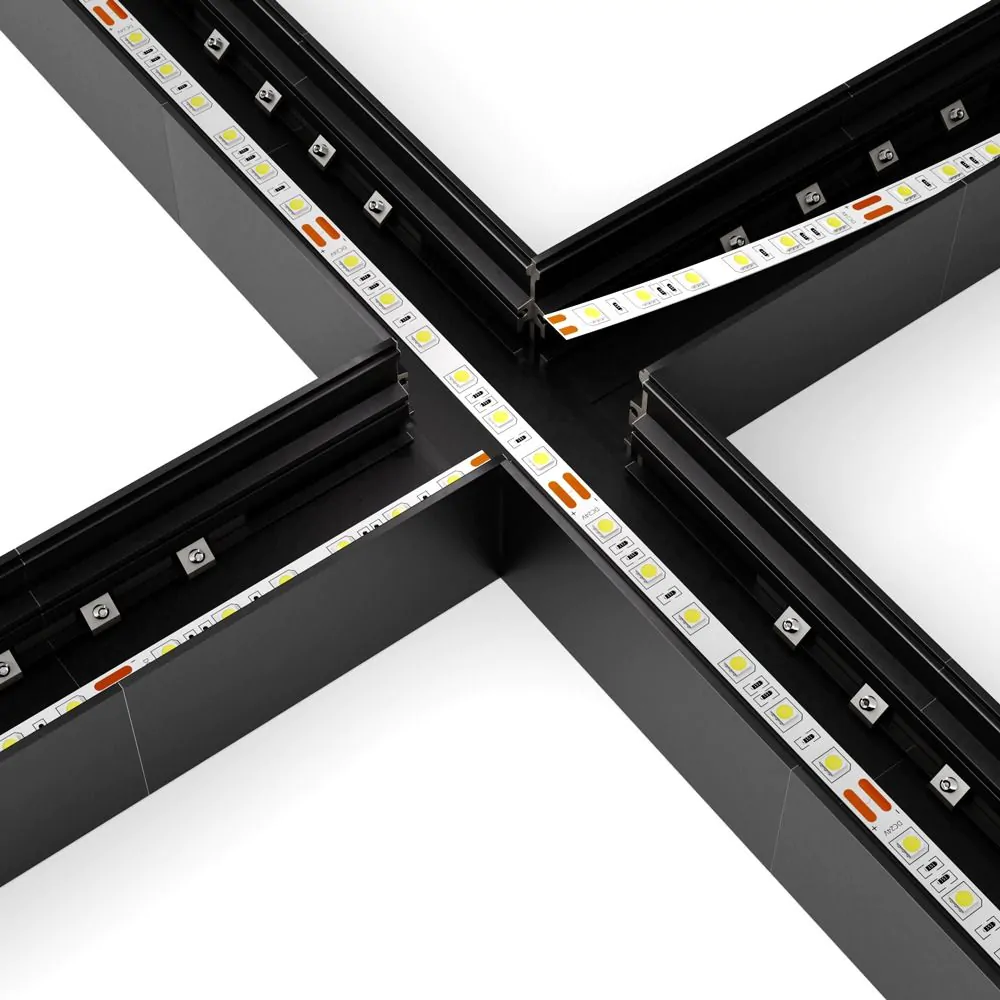
Build a Connected Lighting System
ModularLite combines linear profiles with compatible connectors to create joined layouts, corners and geometric features. Plan the profile lengths, connections and suspension as one system.
Good For: Office Grids · Retail · Geometric Shapes
Explore ModularLite
A Softer, Rounded Silhouette
An arched diffuser changes both the appearance of the fitting and the spread of light. A useful alternative to flat covers when you want a more rounded lighting feature.
Good For: Decorative Lighting · Visible Fittings
Explore Domed Profiles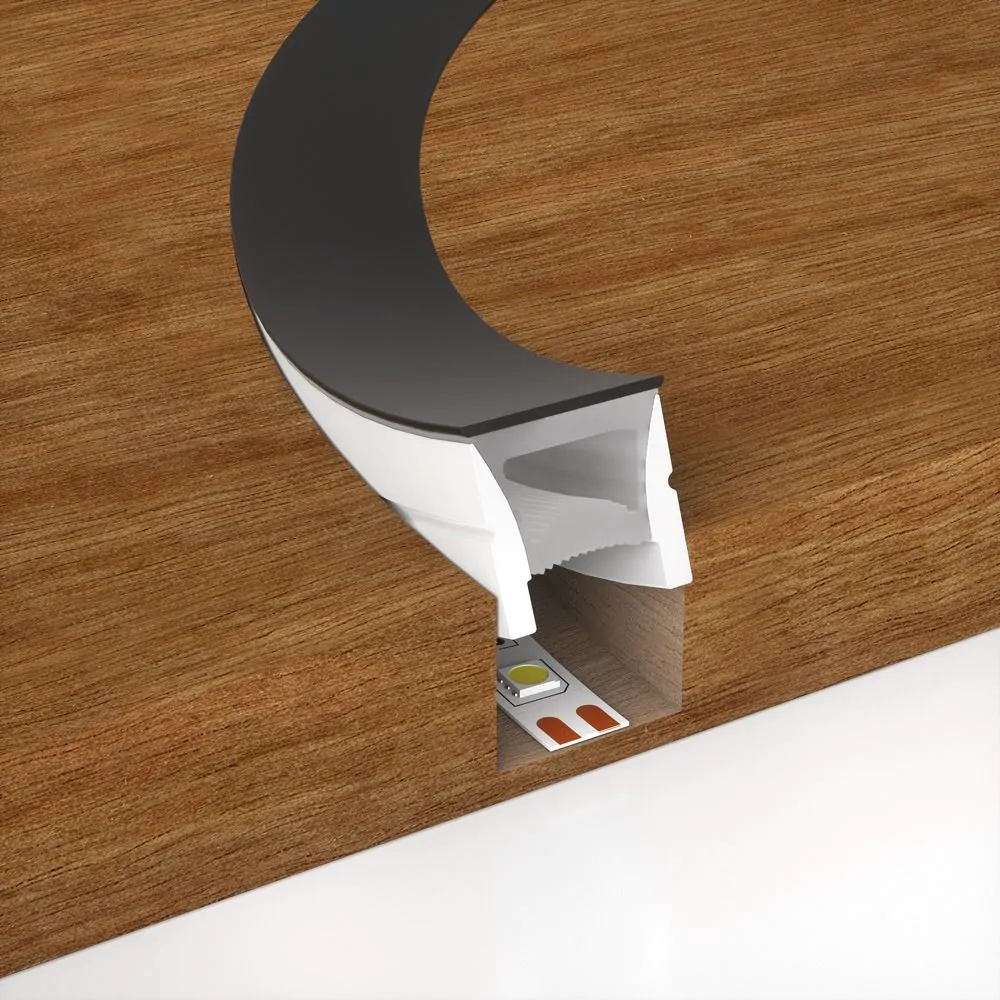
Flexible Neon-Style Diffusion
Silicone diffusers create a flexible, continuous-looking light surface for compatible LED strips. Choose the right cross-section for your routed channel or surface installation.
Good For: Curved Joinery · Organic Shapes
Explore Silicone Diffusers
Support for Thermal Management
An aluminium base helps transfer heat away from the LED strip. Useful where heat management is the priority or the strip needs a suitable mounting surface within a larger assembly.
Good For: Thermal Management · Under-Profile Mounting
Explore Heat SinksNeed to see every size and variation? Browse the complete LED profile collection for product drawings, dimensions and compatible accessories.
Shop All LED ProfilesIn Focus / ModularLite
See how the profile sections and connecting pieces come together in our ModularLite assembly guide.
03 / Why the Profile Matters
A well-chosen LED strip profile shapes how the light looks and how the installation performs. See what a carefully selected channel and diffuser bring to the finished detail.
Illustrative effect. Actual diffusion depends on the strip, diffuser and profile depth.
A suitable diffuser softens visible LED points. Strip density, diffuser opacity and the distance between them all influence how seamless the result looks.
Diffusion helps soften the appearance of the LEDs. Positioning the profile outside normal sightlines also helps reduce uncomfortable direct glare.
The channel and cover help protect delicate LED tape from accidental contact and dust. Water protection depends on the rating of the complete installation.
Aluminium helps conduct heat away from the strip. Choose a profile suited to the strip’s output and follow the manufacturer’s thermal guidance.
A clean aluminium channel gives LED tape a consistent base for adhesion. Use the appropriate mounting clips or fixings for the profile and the surface.
Diffusers, end caps and carefully planned cable exits turn exposed tape into a finished lighting detail, whether it is visible or built into the architecture.
04 / Find Your Fit
Tell us where your light will live and how you want it to look. We’ll give you a focused shortlist of LED profile families to explore.
Step 01 · The Installation
Choose the surface or setting that best describes your project.
Your Profile Shortlist
A starting point, not a specification: check the usable internal width, LED strip output, fixing method and the protection required for the complete installation before ordering.
Before You Order
Your shortlist narrows the style. These six checks help you turn it into a reliable finished installation.
Decide whether the profile will sit on a surface, fit into a recess, disappear into plaster or hang from the ceiling. Surface-mounted profiles are a useful starting point for existing furniture. Recessed and plaster-in profiles need space within the construction, so plan them before cutting or finishing the surface.
Match the LED tape to the internal mounting width, not the external width of the extrusion. Allow for connectors, solder joints and any protective coating around the strip. A profile that looks wide enough from the outside may have less usable space inside.
A shallow profile keeps the fitting discreet; a deeper profile gives light more distance to mix before reaching the diffuser. Opal diffusers, high-density tape and suitable COB LED strips can help produce a more continuous-looking light line. Test the intended combination if the illuminated face will be prominent.
Measure each run and note corners, joins and end positions. Check the available profile and diffuser lengths, compatible connectors and how the cable will enter the channel. LED strip cut points and maximum run lengths are separate from the profile dimensions and must also be considered.
Consider the LED strip’s power, heat dissipation and ventilation. For kitchens, bathrooms or exterior positions, check the required environmental protection and the ratings of the complete lighting system. An aluminium channel or silicone diffuser alone does not make an installation waterproof.
Confirm which diffuser, end caps, mounting clips or suspension parts are supplied with the selected item. Then match the strip to a suitable driver and, if required, a compatible controller or dimmer. Plan an accessible position for the driver and agree the electrical installation with a qualified installer.
The Mounting Methods, Compared
| Mounting Type | The Finished Look | A Useful Starting Point For | Plan For |
|---|---|---|---|
| Surface-Mounted | A visible channel attached onto the surface. | Existing cabinets, shelves and display furniture. | Profile height, suitable fixings and a tidy cable route. |
| Recessed | A channel set into the surface, usually with a visible finishing lip. | Routed joinery, furniture and integrated linear details. | Cut-out width, recess depth and the material around the channel. |
| Plaster-In | A trimless light line with the profile edges finished into plaster. | New ceilings, wall finishes and architectural renovations. | Installation before final finishing, access and careful plasterwork. |
05 / A Clearer Picture
Practical answers to help you choose, specify and plan your LED strip channel installation.
An LED profile is a housing used to support and finish LED strip lighting. Most conventional profiles are aluminium extrusions, also called LED channels or LED strip channels. A matching diffuser covers the strip, while end caps finish the ends. Silicone diffusers and specialist heat sinks serve different purposes, so check the individual product construction.
The answer depends on the strip and the installation. An aluminium profile provides a consistent mounting surface, helps dissipate heat and can protect the tape from accidental contact. It also gives a more finished appearance. Follow the LED strip manufacturer’s mounting and thermal requirements, particularly for higher-output products.
A recessed profile fits into a prepared channel, often with a visible lip that covers the cut edge. A plaster-in profile has edges intended to be incorporated into the plaster finish, creating a trimless appearance. Choose recessed profiles for suitable routed joinery and consider plaster-in profiles when planning the finishing work for walls or ceilings.
A diffuser can soften visible points of light, but a completely spotless result is not guaranteed by the diffuser alone. The LED spacing, distance to the diffuser, diffuser material and viewing angle all matter. Deeper profiles and compatible high-density or COB strips can help. Test a sample combination for an important visible installation.
Check the product drawing for the maximum compatible strip width and usable internal space. Compare that with the full width of your LED tape, including any coating or connectors. Then check the strip’s power and thermal requirements, the desired light effect and whether the diffuser fits over the completed assembly.
Many aluminium profiles can be cut to suit a project using appropriate tools and a suitable cutting method. Check the individual product guidance, remove sharp edges and keep metal swarf away from the LED strip. The diffuser may need a different cutting technique. LED tape must only be cut at its marked cutting points, with power disconnected.
Flat surface-mounted profiles are a practical starting point beneath existing cabinets. Angled profiles are useful in corners or where the light needs to be directed towards a worktop. Recessed profiles can provide a neater integrated finish in new joinery. Check the available space, viewing angle and any exposure to moisture before choosing.
Suitability depends on the specific products and the complete installed system. A standard aluminium profile is not automatically waterproof, and a silicone diffuser does not establish an IP rating for the assembly. Check the product ratings, sealing requirements, strip, driver and connections for the intended location. Ask for technical advice before specifying a wet-area installation.
Standard profile sets include the aluminium channel, diffuser cover and end caps as described in the product listing. Mounting clips, suspension hardware, connectors and specialist accessories vary by range. Standalone heat sinks and silicone diffusers are different product types. LED strip, drivers and controls should be checked and selected separately unless explicitly included.
Bendable aluminium profiles can follow curves within the limits of the selected product. Silicone diffusers offer another route for suitable flexible lighting details, while ModularLite connectors create joined geometric layouts. For a custom shape or specialist finish, share your dimensions and intended lighting effect with the team before ordering.
A More Personal Starting Point
Tell us where the light needs to go, the strip you are using and the finish you want. Our team can help narrow down the options, including custom shapes, specialist finishes and more complex projects.
The Other Half of the Detail
Now bring the two together. Explore LED strip lights and match the width, output, colour and control options to your profile and the atmosphere you want to create.
 Processing